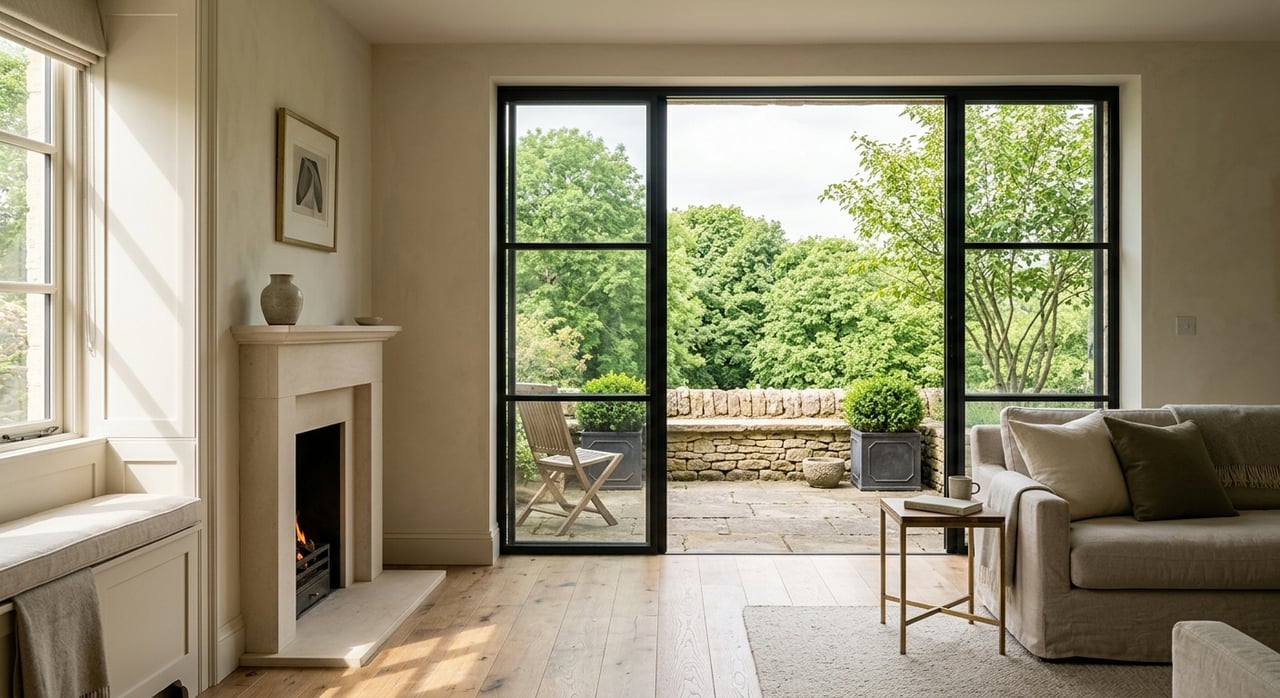
Thinking about leaving a larger Greenwich home behind without leaving Greenwich itself? That is a common goal, but the move can get complicated fast when you are trying to sell a high-value property, buy a lower-maintenance home, and keep your timing and finances aligned. With the right plan, you can simplify the process, protect your budget, and move with more confidence. Let’s dive in.
Why downsizing makes sense in Greenwich
Downsizing in Greenwich is often about more than getting less space. It is also about reducing maintenance, improving convenience, and choosing a home that better fits how you want to live now.
That idea lines up with local housing patterns. The Census Bureau estimates that Greenwich’s planning region has 23,094 households, 70.0% owner occupancy, 2.74 persons per household, and 18.7% of residents age 65 and over. It also reports a median value of owner-occupied homes at $1,695,700, which shows just how important it is to plan carefully before making a move in this market. You can review those local figures through the U.S. Census QuickFacts for Greenwich.
Recent sales data also show how valuable Greenwich real estate remains. Redfin’s Greenwich housing market data reported a median sale price of $1,949,500 in February 2026, with homes selling at a 103.8% sale-to-list ratio and a median of 67 days on market.
For many homeowners, that creates an opening to turn built-up equity into a move that feels easier to manage. A smaller single-family home, condo, or townhouse may mean less upkeep and a more flexible lifestyle, especially if you want to stay close to downtown amenities or rail service.
Start with the sale strategy
If you are selling one home and buying another, sequence matters. The Consumer Financial Protection Bureau says people who want to move will normally try to sell their current home first before buying the next one.
That guidance is especially relevant in Greenwich. When the typical sale price is close to $2 million, carrying two homes at once can create real pressure on your monthly cash flow.
Selling first does not mean you need every detail of the next move figured out on day one. It means you create a plan that gives you a clear picture of your proceeds, your financing options, and your budget before you commit to the next purchase.
Build your budget before you shop
A downsizing move works best when you focus on monthly carrying costs, not just the sale price of the next home. The CFPB recommends preparing your money situation early, comparing loan options, and getting preapproval before you are under contract.
That is important because your next payment may include more than principal and interest. It can also include property taxes, homeowners insurance, homeowners association dues, and supplemental insurance such as flood insurance if required.
A condo or townhouse may reduce exterior maintenance, but it can also add recurring HOA costs. A coastal or low-lying property may also come with higher insurance needs, so it is smart to compare full monthly costs across property types.
Compare your next-home options
In Greenwich, downsizers often weigh three big factors: maintenance level, walkability, and carrying costs. Your best fit depends on how you want your day-to-day life to feel after the move.
| Property type | Potential upside | Key cost or tradeoff |
|---|---|---|
| Smaller single-family home | More privacy and fewer shared rules | You still handle exterior upkeep, repairs, taxes, and insurance |
| Townhouse | Often less exterior maintenance | HOA dues may apply |
| Condo or co-op | Lower day-to-day maintenance and simpler lock-and-leave living | HOA fees, building rules, and shared expenses can affect the budget |
If staying connected to town is part of your goal, location may matter as much as square footage. The Town of Greenwich notes that District 1 in Central Greenwich is within walking distance of Greenwich Avenue, the Greenwich Main Library, restaurants, and the Metro-North train station.
Transit access can also shape your search. The MTA’s New Haven Line includes stations in Greenwich, Cos Cob, Riverside, and Old Greenwich, which can be helpful if you want a home base near rail service while simplifying your lifestyle.
Prepare your current home to stand out
In a high-value market, presentation matters. National staging research from the National Association of Realtors found that 83% of buyers’ agents said staging made it easier for buyers to visualize a property as a future home.
The same NAR report found that 29% of agents said staging increased the dollar value offered by 1% to 10%, and 49% of sellers’ agents said staging reduced time on market. The rooms most often prioritized were the living room, primary bedroom, and kitchen.
For a Greenwich seller, the goal is not simply to clean. It is to edit the home so buyers can focus on the space, light, layout, and key features.
Focus on first-impression rooms
If you are preparing a larger home for sale, start with the spaces buyers notice first:
- Living room
- Kitchen
- Primary bedroom
- Main entry areas
- Outdoor spaces that frame the home’s setting
Professional photos, video, physical staging, and virtual tours all matter to buyers browsing online, according to NAR’s 2025 staging profile. In a market where many buyers start their search digitally, polished marketing can help your home make a stronger first impression.
Declutter with your next move in mind
Downsizing gives you a chance to simplify before the home hits the market. Reducing visual noise can make rooms feel more spacious while also helping you sort what will actually fit and function in the next home.
A practical approach is to sort items into four groups:
- Move to the next home
- Store temporarily
- Donate
- Discard
That process can make packing easier later and help your current home show more clearly now.
Consider a pre-listing inspection
A pre-listing inspection can help you decide what to repair before you go live. That can be useful when you want fewer surprises during contract negotiations.
The CFPB explains that a buyer with a satisfactory inspection contingency may be able to cancel without penalty if serious defects are found, or negotiate repairs or credits before closing. You can learn more from the CFPB’s guidance on home inspection contingencies.
For sellers, that means obvious issues can become leverage points for a buyer. Knowing about them early can help you choose whether to fix them, disclose them, or price around them.
Plan for timing and overlap
Sometimes you need to shop before your current home closes. If so, the answer is not to wing it. The answer is to create a deliberate overlap plan with your lender and real estate team.
Preapproval matters because once a seller accepts your offer, financing timelines can move quickly. The CFPB notes that you may have only a couple of days to line up financing after an offer is accepted.
A clear overlap plan should answer a few key questions:
- How much cash will you need before your current sale closes?
- What monthly obligations can you carry if the timelines overlap?
- What is your backup plan if your sale or purchase is delayed?
- Which inspection and financing deadlines matter most in your contracts?
When you answer those questions early, you are less likely to make rushed decisions under pressure.
Factor in taxes and local credits
Downsizing in Greenwich is not only a housing decision. It is also a financial planning decision.
The Town of Greenwich says residents age 65 or older who meet eligibility guidelines may qualify for local or state property tax credits, and condo and co-op owners are eligible. According to the town’s Credits and Benefits information, applications are accepted from February 1 through May 15, and the 2025 local credit ranges from $699 to $2,654 based on income.
Property tax planning also matters because Greenwich assesses property at 70% of fair market value, completed a 2025 town-wide revaluation, and lists a 2025-26 mill rate of 12.041 in town budget materials. The town’s Assessor page is a good place to review current details.
If you are selling a long-held primary residence, federal tax rules may also come into play. The IRS says you may be able to exclude up to $250,000 of gain from the sale of a main home, or $500,000 for joint filers, if you meet the ownership and use tests. The IRS also notes that prior rental use, office use, or depreciation history can affect the outcome, so it is wise to review the sale with a CPA or tax attorney. See IRS Topic No. 701 on sale of your home for the official guidance.
Create a downsizing plan that fits you
The most successful downsizing moves in Greenwich usually follow a simple pattern: understand your goals, price and prepare the current home well, build a realistic budget for the next property, and coordinate each step before you commit.
That matters in any market, but especially here. Greenwich offers strong property values, in-town lifestyle options, and rail-connected neighborhoods, yet those benefits come with meaningful price points and carrying costs that deserve careful planning.
If you are thinking about downsizing in Greenwich, the right strategy can help you sell with confidence and buy with fewer surprises. When you want experienced, local guidance, connect with Sunbelt Sales & Development Corp. for practical support on your next move.
FAQs
What does downsizing in Greenwich usually mean for homeowners?
- Downsizing in Greenwich often means moving from a larger home to a smaller single-family home, townhouse, condo, or co-op to reduce maintenance, simplify daily living, and better manage monthly carrying costs.
Should you sell your Greenwich home before buying the next one?
- The CFPB says people moving from one home to another normally try to sell first, which can be especially helpful in Greenwich where home values are high and carrying two properties at once may strain cash flow.
What costs should you compare when buying a smaller home in Greenwich?
- You should compare the full monthly cost, including mortgage payment, property taxes, homeowners insurance, HOA dues if applicable, and any supplemental insurance such as flood insurance.
How can staging help when selling a Greenwich home?
- NAR reports that staging can help buyers visualize the home more easily, may increase offers, and can reduce time on market, especially when the living room, primary bedroom, and kitchen are well presented.
Are there property tax benefits for some older homeowners in Greenwich?
- Yes. The Town of Greenwich says residents age 65 or older who meet eligibility requirements may qualify for local or state property tax credits, and condo and co-op owners may also be eligible.
Can you exclude capital gains when selling a primary home in Greenwich?
- The IRS says eligible sellers may be able to exclude up to $250,000 of gain, or $500,000 for joint filers, on the sale of a main home if the ownership and use tests are met.
