Trying to make sense of Greenwich without a local translator can feel overwhelming. In just a few miles, you go from lively village streets to quiet wooded lanes and gated estates. If you are relocating, trading up, or weighing a move from the city, you want a clear, plain‑English read on what everyday life actually looks like in each area. This guide breaks down Greenwich by built form, commute options, access to the water, and the small details that shape your routine. Let’s dive in.
How Greenwich fits together
Greenwich stretches across about 67.2 square miles in total, with roughly 47.8 square miles of land and the rest water. The town runs along Long Island Sound, then extends inland north of the Merritt Parkway into larger‑lot country. You can picture it as a coastal band plus a big mid‑country and backcountry interior. This geographic split is the starting point for most lifestyle choices.
For day‑to‑day living, it helps to think in three broad buckets:
- Coastal villages and waterfront enclaves near Greenwich Harbor and the peninsulas
- In‑town and village centers that are walkable to shops and the train
- Mid‑country, backcountry, and planned estate pockets where privacy and acreage come first
In‑town and village living
These neighborhoods mix classic single‑family streets with small‑lot homes and some condos near the rail stations. The lifestyle is about short errands, coffee on foot, and a realistic walk to the train.
Central Greenwich (Downtown)
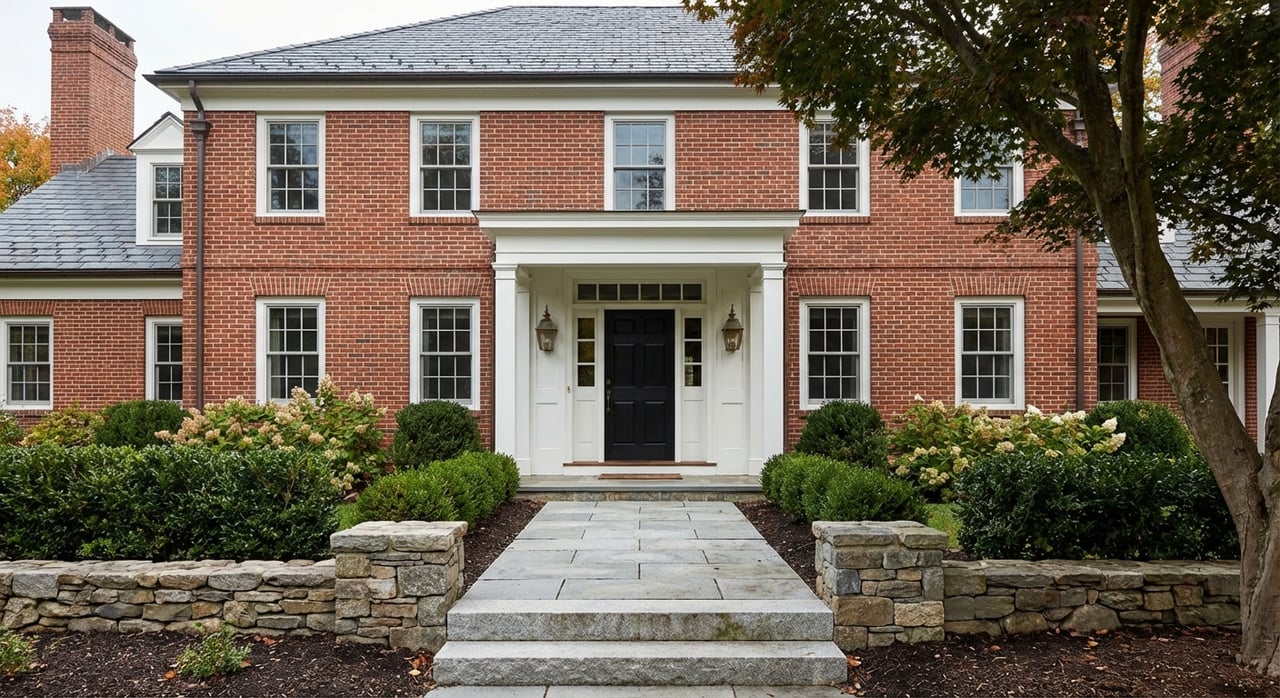
Here you find early‑20th‑century Colonials and Tudors, renovated single‑family homes on smaller lots, and mid‑ to higher‑end condos close to Greenwich Avenue. The closer you are to the Avenue, the more you feel a village rhythm and smaller yards. Farther from the retail core, lots and homes scale up.
The Greenwich Metro‑North station anchors commuting, and many residents choose this area to pair walkable shopping and dining with a reasonable train routine. The Bruce Museum and Greenwich Avenue’s boutiques and restaurants create an easy, stroll‑to‑everything pattern.
Old Greenwich
Old Greenwich is a compact village with cafés, everyday shops, and classic cottages in the center. Lot sizes step up as you move toward the water, with premium estates near the shoreline. Many buyers prize how tight the core is. The train, village green, and everyday errands sit within a short, practical walk.
A major lifestyle perk is Greenwich Point Park, known locally as Tod’s Point. The town‑owned park spans about 147.3 acres with beaches, trails, and seasonal pass rules that apply from May 1 to Oct 31. If regular beach time, kayaking, or coastal walking is part of your week, being near Greenwich Point Park can be decisive.
Cos Cob
Cos Cob blends riverfront pockets along the Mianus River with mid‑century single‑family streets and a few smaller condo clusters near the station and Post Road. Life here is a bit quieter than downtown, with short drives to the Avenue when you want bigger shopping or dining.
Cos Cob also anchors a piece of local history. The Bush‑Holley House sits by the river and adds cultural texture to the area. Marinas and small parks along the water round out a low‑key, practical routine.
Riverside
Riverside offers a mix of older shoreline homes, mid‑century streets, and quieter inland blocks. Some pockets are close to marinas and launch points. The station sits right in the neighborhood, and commuting choices vary by timetable. If you are sensitive to minutes, check whether your preferred trains stop there and compare parking options.
Harbor peninsulas and enclaves
These are the estate areas along Greenwich Harbor and the adjacent peninsulas. Buyers come here for water views, boating, and a private residential feel.
Belle Haven, Indian Harbor, Field Point, and Mead Point
Expect larger lots than the immediate downtown grid, private or association roads in sections, and a range of architecture from historic to newly rebuilt. Many homes have docks or moorings. Daily life is more car‑oriented for errands, but the Greenwich station is still a short drive.
Boating, sailing, and shoreline stewardship become part of the weekly schedule. Docks, bulkheads, and seawalls can add maintenance planning. Clubs anchor the harbor scene, so check mooring policies and seasonal calendars directly with organizations like Indian Harbor Yacht Club.
Southwest shoreline choices
Byram and Pemberwick
Byram reads like a smaller shore village with older cottages and pre‑war homes near the center, then larger estates along Byram Shore Road. Byram Park and nearby recreation keep the shoreline casual and accessible. There is no in‑town Metro‑North station here, so many commuters drive to nearby stations or use direct access to I‑95. For some buyers, this corner offers one of the more approachable entries to Greenwich while staying near the Sound.
Mid‑country and backcountry
North of Post Road and the Merritt, land sizes expand and the mood shifts to privacy, space, and green views. These areas trade walkability for room to breathe.
Mid‑country and backcountry basics
Mid‑country commonly features 1 to 2 acre parcels, while backcountry zoning often means 4 acres or more. Two‑thirds of the town’s land falls into these categories, so the scale of properties and the sense of quiet is a defining trait. Homes span traditional estates, country contemporaries, and updated classics set back from the road.
Daily life is car‑dependent. You will drive to a Metro‑North station, shopping, and schools. If you value acreage, privacy, and a calmer day, this is where you look first.
Conyers Farm explained
Conyers Farm is a planned private estate community within backcountry Greenwich. The community plan limited the number of estates and set generous parcel sizes, often about 10 to 20 acres, with private roads, riding trails, covenants, and an association that manages common rules and services. If you want gated access, equestrian options, and strong architectural controls, this is the local benchmark. Review the association framework on the Conyers Farm overview.
Getting around: trains, driving, parking
Trains and stations
Greenwich is served by four New Haven Line stations within town limits: Greenwich, Cos Cob, Riverside, and Old Greenwich. Stopping patterns change by timetable. Many buyers plan on about 40 to 50 minutes from downtown Greenwich to Grand Central on express trains, with local trains running longer. Always confirm your actual trip on the Metro‑North schedule before deciding where to live.
Driving patterns
Main routes are I‑95 along the coast, the Merritt Parkway to the north, and Post Road for local errands. Drive times depend on the hour, weather, and incidents. If you expect to drive regularly, test your commute at peak times and on different days. Some residents mix driving with park‑and‑ride or drop‑offs at stations to match train schedules.
Parking checks
Station parking varies by lot and town program. Some lots allow daily parking, while others are permit‑only, and waitlists are common. Small differences in train patterns and parking access can change your daily life more than you think. If you will commute by rail, check current MTA schedules and town parking rules before you sign.
Parks, culture, and clubs
Beaches, parks, and boating
If being near the water is a must, map your search around Greenwich Point and the harbors. Greenwich Point Park offers beaches, trails, and seasonal access rules that shape summer routines. Boaters rely on marinas and yacht clubs for slips, moorings, and launch support. Confirm availability and guest policies directly with clubs such as Indian Harbor Yacht Club.
Culture and everyday retail
Central Greenwich is the cultural and shopping hub. The Bruce Museum and Greenwich Avenue’s restaurants and boutiques create a strong walk‑to‑town value. If you care about strollable errands, that proximity is often worth more than square footage.
Match your priorities to neighborhoods
Use this quick lens to shortlist areas:
- Want to walk to the train and shops most days? Focus on Central Greenwich and Old Greenwich near their stations.
- Want water access and a marina lifestyle? Look at Belle Haven, Indian Harbor, Riverside, and riverfront pockets in Cos Cob.
- Want a more approachable entry to Greenwich with shoreline nearby? Check Byram and select inland blocks in Cos Cob.
- Want land, privacy, and possibly equestrian amenities? Head to mid‑country, backcountry, and planned estates like Conyers Farm.
Buyer checklist for your short list
Before you write an offer, run these checks:
- Flood and coastal risk. Review FEMA maps and request any elevation certificates for waterfront or low‑lying parcels. Coastal properties often need extra insurance and may involve seawall or bulkhead upkeep. Start with the FEMA Flood Map Service Center.
- Train schedule and parking. Confirm current Metro‑North stopping patterns for your station and review town parking or permit waitlists. Use the Metro‑North service updates to plan.
- Sewer vs. septic and utilities. Many backcountry homes use septic. Verify capacity, age, and maintenance history, and ask your attorney to check any active or planned utility projects relevant to the street.
- Covenants and private‑road rules. Condos, private waterfront associations, and planned estates like Conyers Farm often have architectural controls, assessments, or use limits. Read recorded covenants early. For context, see the Conyers Farm association overview.
- Everyday access check. Test your routine. Drive the grocery run, daycare or school drop‑off, and weekend errands at different times to see traffic, parking, and walkability in real life.
Ready to explore the options that match your lifestyle, commute, and budget? You can get a curated tour and straight answers on the tradeoffs in each area. Reach out to Sunbelt Sales & Development Corp. to map a plan that fits how you live. Schedule a tour — call or text Juan Carlos today.
FAQs
How is Greenwich laid out for buyers new to town?
- Picture a coastal band on Long Island Sound with in‑town villages, then a large mid‑country and backcountry interior where lots get much larger, which shapes daily routines and commute choices.
What is the difference between Old Greenwich and Central Greenwich?
- Old Greenwich is a compact, beach‑oriented village near Greenwich Point with a tight walk between train and shops, while Central Greenwich centers on Greenwich Avenue, the main station, and a broader mix of condos and small‑lot homes.
How long is the train from Greenwich to Grand Central?
- Many buyers plan on about 40 to 50 minutes from downtown Greenwich on express trains, but actual times vary by timetable, so check the current Metro‑North schedule before deciding.
What should I know about Greenwich Point Park access?
- Greenwich Point, also called Tod’s Point, has beaches and trails, spans about 147.3 acres, and uses seasonal pass rules from May 1 to Oct 31, which shape summer and weekend routines.
What is Conyers Farm and who is it best for?
- Conyers Farm is a planned estate community in backcountry Greenwich with large parcels, private roads, riding trails, and association covenants, ideal if you want acreage, privacy, and controlled architecture.
How do flood and shoreline issues affect waterfront homes?
- Waterfront parcels often need additional insurance and may involve seawall or bulkhead maintenance, so review FEMA flood maps and request elevation certificates early in due diligence.
